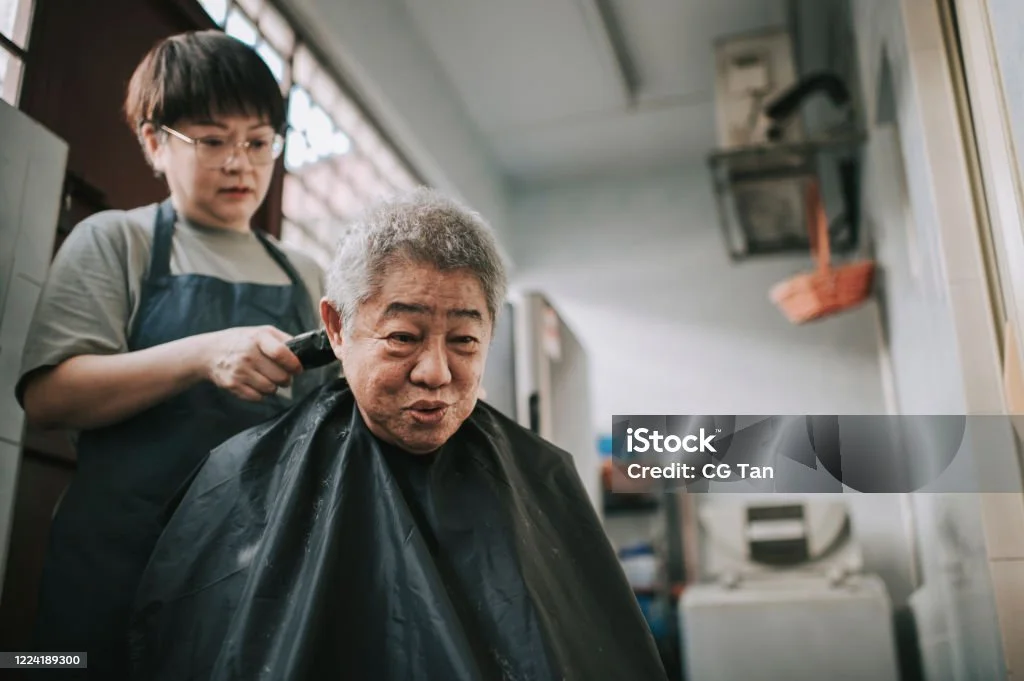
The Camera Stayed
During COVID, I photographed my father.
At the time, I didn’t think much of it.
It felt natural—almost automatic.
Photography was my profession.
Being present with a camera was simply what I knew how to do.
Only later did I understand how rare that was.
Before his stroke, he was himself.
Calm. Patient. Quietly amused as I adjusted focus.
He smiled easily.
He sat still, trusting the process, as he always had.
Then came the stroke.
He was unconscious for months.
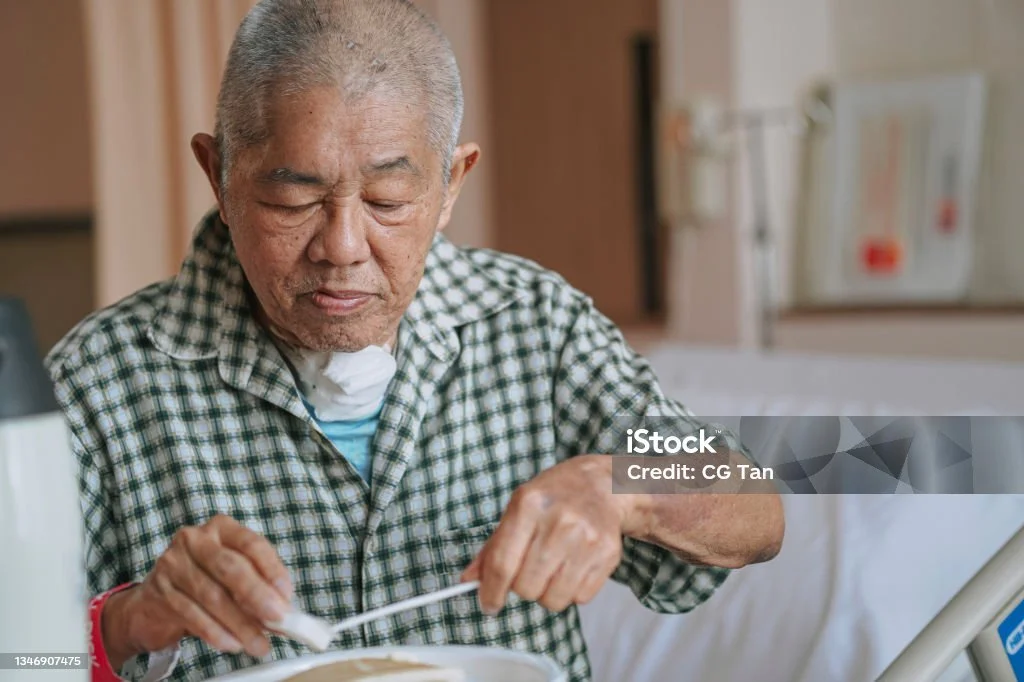
When he returned, he was thinner. Quieter.
Recovery reshaped his body, his expressions, his pace with the world.
And still, the camera stayed.
I photographed him again—not to document illness, not to turn pain into meaning, but because I was there.
Because I knew how to wait.
Because I understood how to let a moment exist without forcing it.
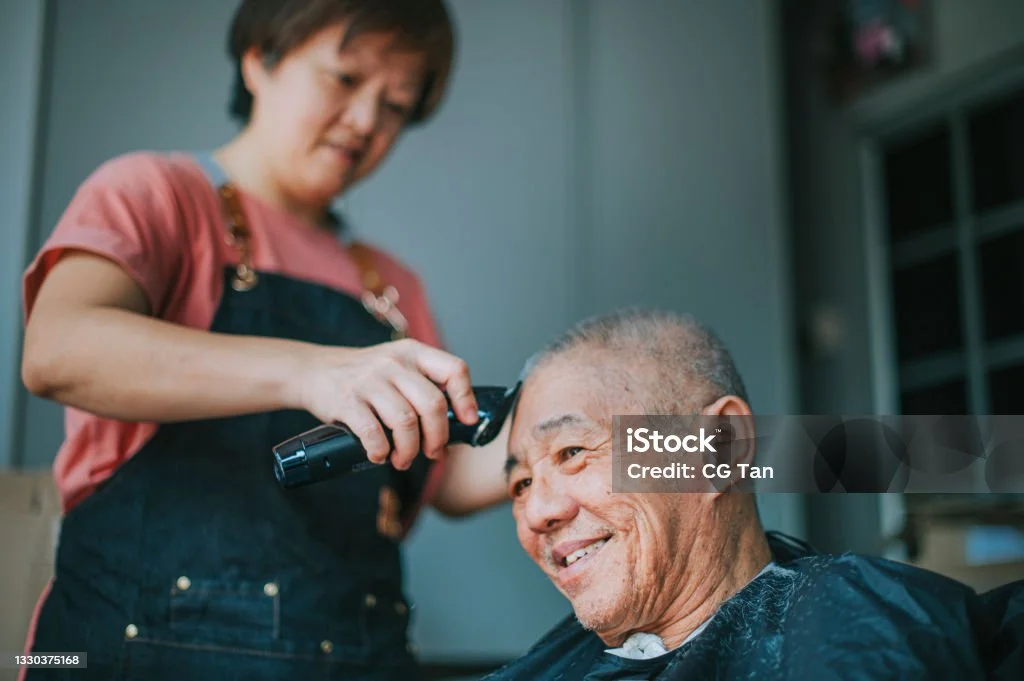
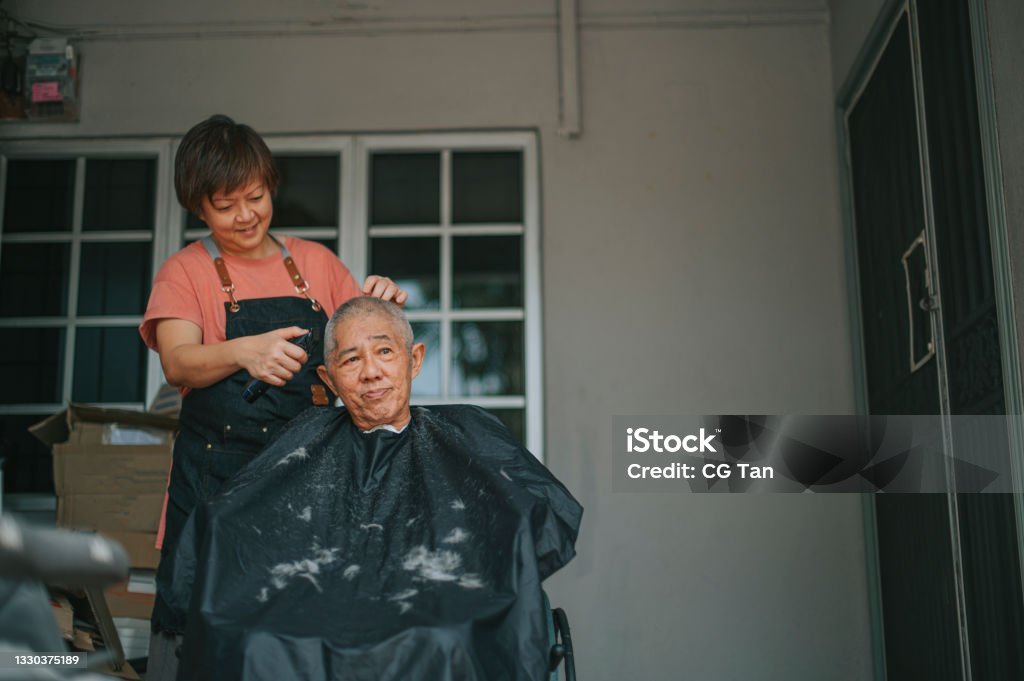
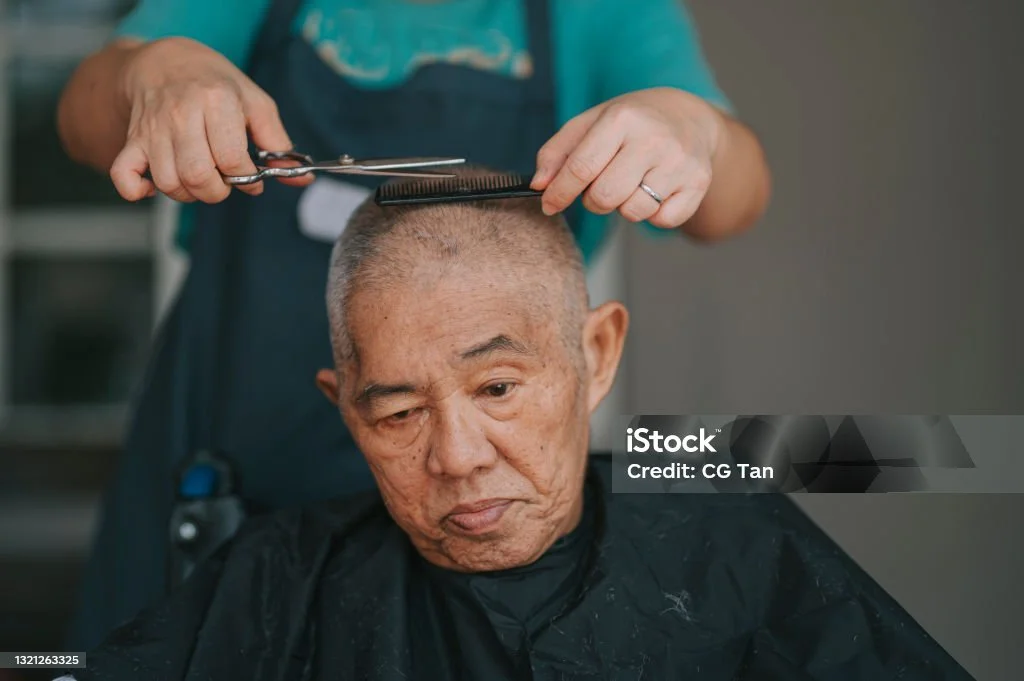
Haircuts.
Meals.
Small gestures.
Long silences.
Nothing heroic.
Nothing dramatic.
Just life, continuing.
Some of these images later became stock photographs.
That is part of my work.
They were uploaded, keyworded, licensed—treated like any other file.
But before they were assets,
before they were metadata,
they were proof.
Proof that I did not look away.
Proof that I was present—before, during, and after.
Proof that photography did not take me away from my family.
It brought me closer.
I used to be a wedding photographer, always chasing other people’s memories.
I never imagined I would one day use the same skills to keep my own.
My father is gone now.
What remains are fragments of light, gestures, and time—
held quietly by a camera that never left the room.
And for that, I am grateful.
Not for what photography gave me professionally,
but for what it allowed me to keep.